Preparing a vacation rental for the market does not always require a complete renovation. Sometimes, a property needs a few practical improvements, while in other cases, larger changes may be necessary to address its layout, condition, or intended use.
For property owners in Jaipur, deciding where to invest can be challenging. New furniture, updated bathrooms, improved lighting, and decorative changes may all seem worthwhile, but not every upgrade delivers the same practical value.
A more effective approach is to assess the property’s current condition, identify the issues that matter most, and prioritise improvements according to the property’s goals and budget.
Begin With an Honest Property Assessment
Before spending money on upgrades, review the property as it currently stands.
Look at the condition of walls, floors, bathrooms, kitchen facilities, furniture, electrical fittings, plumbing, and other essential systems. Identify anything that is damaged, unreliable, difficult to maintain, or unsuitable for the property’s intended guests.
It can help to divide the assessment into three categories:
- Essential repairs: Issues involving safety, functionality, hygiene, or basic maintenance.
- Practical improvements: Changes that make rooms easier to use or maintain.
- Appearance upgrades: Updates intended primarily to improve the property’s visual identity.
This approach helps owners distinguish urgent work from optional enhancements and prevents attractive cosmetic changes from taking priority over essential repairs.
Fix Functional Problems Before Cosmetic Ones
Fresh paint and new décor can improve the appearance of a property, but they cannot compensate for faulty plumbing, unreliable air conditioning, poor lighting, or damaged furniture.
Guests need the property to function as described. Owners should therefore prioritise essential systems and recurring maintenance issues before investing heavily in decorative upgrades.
For example, replacing a frequently malfunctioning appliance may be more useful than purchasing additional accessories. Improving bathroom ventilation may offer greater practical value than changing decorative tiles that remain in good condition.
A property that functions reliably provides a stronger foundation for any future design improvements.
Decide Whether the Layout Needs to Change
Some properties require more than a cosmetic refresh. Their layout may not support the way guests are expected to use the space.
A dining area might be too small for the intended occupancy, storage may be limited, or furniture may obstruct movement between rooms. In such cases, rearranging existing furniture could solve the problem without major construction.
However, more substantial changes may be worth considering if the layout consistently limits functionality.
Before making structural alterations, owners should review costs, feasibility, relevant permissions, and the potential disruption to operations. Where necessary, consult qualified professionals rather than relying on assumptions about what can be changed.
Upgrade Interiors With a Clear Purpose
Interior upgrades are most effective when they solve a problem or strengthen the property’s identity.
Improved lighting can make rooms easier to use throughout the day. Well-chosen furniture can make a living area more comfortable, while coordinated textiles and artwork can give the property a distinctive appearance.
Owners should avoid purchasing items simply because they are fashionable. Instead, consider whether each addition suits the property’s style, intended audience, and maintenance requirements.
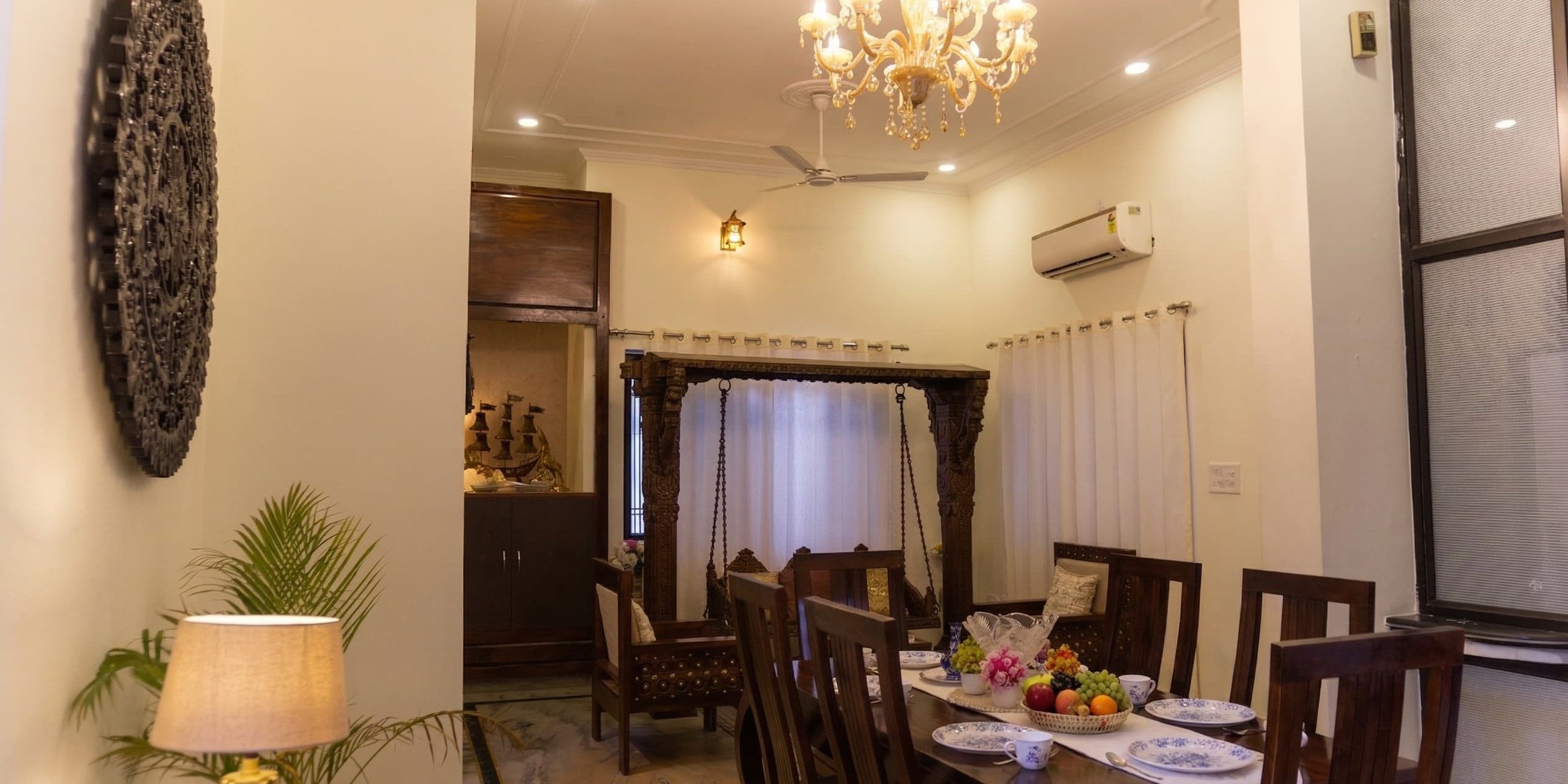
For a heritage-inspired home, traditional details may support its character. A contemporary apartment may benefit from a simpler visual approach. The goal is to create a cohesive environment rather than following every interior trend.
Consider Durability and Maintenance Costs
A vacation rental experiences repeated use, so the long-term practicality of materials matters.
When comparing furniture, flooring, upholstery, and fixtures, consider how easily they can be cleaned, repaired, or replaced. An item with a lower purchase price may become more expensive if it requires frequent maintenance.
Owners should also think about the availability of replacement parts and whether a particular material suits the property’s conditions.
Durability does not mean compromising on appearance. A carefully chosen combination of practical materials and distinctive design elements can create a property that looks attractive while remaining manageable to maintain.
Match the Investment to the Property’s Intended Market
Before committing to major improvements, owners should clarify how they want to position the property.
A large private villa intended for family groups may require different features from a compact apartment designed for shorter visits. A themed property may benefit from carefully developed interiors, while a straightforward city stay may gain more from reliable amenities and an efficient layout.
The investment should reflect the experience the property is intended to provide.
Palm Leisure Stays manages a varied portfolio of accommodation styles, including private villas, apartments, themed homes, and larger properties. These different formats illustrate why a property’s individual characteristics should guide its preparation rather than applying one renovation checklist to every home.
Set a Budget and Compare Priorities
Renovation decisions become easier when owners understand the available budget and the expected scope of work.
Obtain estimates for significant repairs, compare alternatives, and include a contingency for unexpected expenses. It is also worth considering whether the work can be completed in stages.
For instance, essential repairs and basic furnishing improvements might be completed first, with decorative enhancements scheduled later. This can help owners avoid unnecessary spending while still addressing the most important needs.
Do not assume that every improvement will produce a particular increase in booking revenue. Results depend on factors such as location, demand, competition, pricing, and the quality of the finished property.
Review the Property Before Launching or Relisting
Once the work is complete, inspect the property as a guest would experience it.
Check whether furniture is arranged sensibly, appliances function correctly, lighting is adequate, and bathrooms and other essential spaces are in good condition. Confirm that amenities match the listing description and that any newly added features are ready to use.
Updated photographs and an accurate property description can then reflect the improvements made.
If the property is already operating, guest feedback and maintenance records may help identify which upgrades deserve priority during the next improvement cycle.
How Property Management Can Help Owners Plan Improvements
Owners often need to balance renovation decisions with booking arrangements, maintenance responsibilities, guest communication, and operating costs.
A professional management partner may help coordinate aspects of property preparation and ongoing operations, depending on the agreed service scope. Palm Leisure Stays offers property management support that can include listing management, housekeeping coordination, and maintenance coordination.
Owners should clarify which services are included and retain appropriate oversight of budgets, approvals, and major renovation decisions.
Conclusion
Choosing between renovation and a simple refresh begins with understanding what the property genuinely needs. Essential repairs, functional improvements, durable materials, and a clear design direction should guide investment decisions.
For Jaipur property owners, a structured assessment can help avoid unnecessary spending while preparing the property for its intended guests. With realistic budgeting and a clear operational plan, Palm Leisure Stays can support owners as they manage the practical demands of maintaining and presenting vacation rental properties.