A successful vacation rental should offer more than an attractive interior and a convenient location. It should also help guests feel comfortable moving through the property, using its facilities, and settling into their stay. Accessibility is an important part of this experience, yet it is often overlooked when preparing a home for short-term accommodation.
For vacation rental owners, improving accessibility does not always require a complete renovation. Thoughtful adjustments, clear property information, and an understanding of different guest requirements can make a meaningful difference.
At Palm Leisure Stays, creating welcoming accommodation begins with understanding how guests use a property and what helps them enjoy a more comfortable stay.
What Does Accessibility Mean in a Vacation Rental?
Accessibility means making a property easier to use for people with different mobility, sensory, or practical needs. These needs may vary considerably from one guest to another.
For example, a family travelling with an older relative may value fewer stairs, while a guest with limited mobility may need step-free access and sufficient space to move around. Another guest may benefit from clear signage, good lighting, or easy-to-understand arrival instructions.
Not every property can accommodate every requirement. However, owners can make informed improvements and communicate the property’s features honestly so that guests can choose accommodation that suits them.
Five Practical Ways to Improve Accessibility
1. Make Entry and Movement Easier
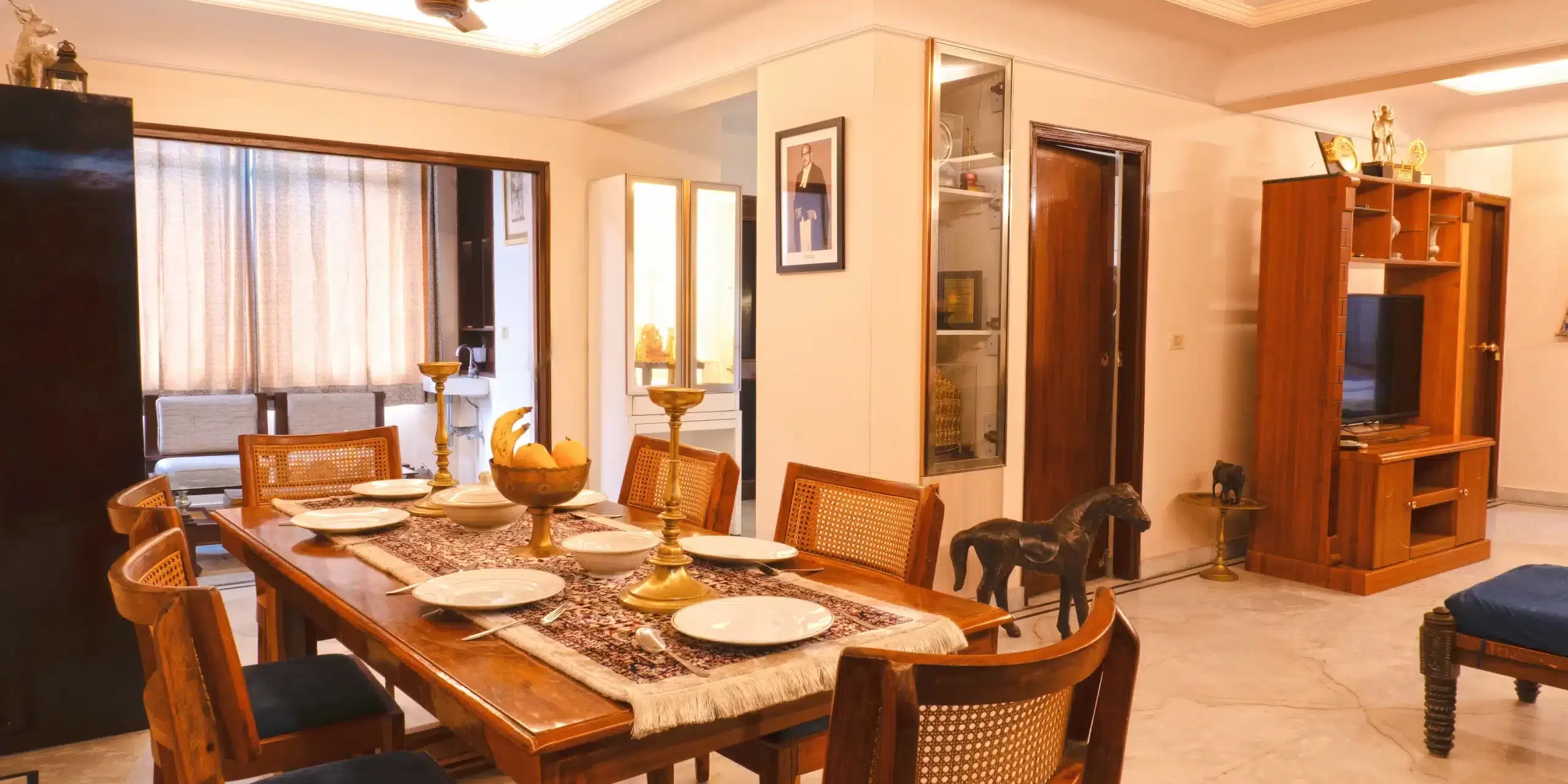
The journey from the entrance to the main living areas is an important starting point. Keep pathways clear, remove unnecessary obstacles, and ensure that commonly used areas are easy to navigate.
Where possible, consider step-free access, handrails, and adequate door clearance. Major structural improvements may require professional assessment, but even simple changes can make everyday movement more convenient.
2. Pay Attention to Lighting
Good lighting helps guests navigate a property more confidently, particularly during evening arrivals or nighttime movement.
Ensure entrances, corridors, stairways, and bathroom access points are adequately lit. Clearly visible switches and conveniently positioned bedside lighting can also improve usability.
3. Review Bathroom and Bedroom Comfort
Bathrooms and bedrooms are among the most frequently used areas of any accommodation. Non-slip flooring, accessible storage, clear floor space, and easy-to-reach essentials can improve comfort.
Owners considering grab bars, shower seats, or other accessibility features should ensure they are professionally installed and suitable for their intended use. These features should never be advertised unless they are genuinely available.
4. Make Property Information Easy to Understand
Guests should not have to guess whether a property suits their needs. Provide accurate details about stairs, entrance access, bedroom locations, bathroom layouts, parking arrangements, and any available accessibility features.
Photographs of entrances, staircases, and bathrooms can help guests make better-informed decisions before booking.
Clear communication also allows the management team to address practical questions before arrival rather than leaving guests to discover limitations after check-in.
5. Train Teams to Respond Thoughtfully
Accessibility involves service as well as physical design. Staff and property managers should know how to respond respectfully to specific guest requests, explain available facilities, and avoid making assumptions about an individual’s needs.
A simple process for recording relevant requests and communicating them to the appropriate team members can help create a more consistent experience.
Why Accessibility Can Benefit Vacation Rental Owners
Accessibility improvements can help a property appeal to a wider range of travellers. They may also make the home easier to use for returning guests, families, and visitors who appreciate practical, well-organised spaces.
However, owners should assess improvements according to the property’s structure, target audience, budget, and feasibility. It is better to describe a few verified accessibility features accurately than to make broad claims that the property cannot support.
Accessibility should also be considered alongside general safety, cleanliness, maintenance, and comfort rather than treated as a separate finishing touch.
The Role of Professional Vacation Rental Management
Managing an accessible property requires attention to both physical features and guest communication. Property managers can help owners identify practical improvements, maintain accurate listing information, coordinate maintenance, and ensure that guest requests reach the right people.
Palm Leisure Stays works across different types of holiday accommodation, from apartments and family stays to private villas. A property-specific approach helps owners understand how their accommodation can serve its intended guests while remaining honest about its facilities and limitations.
The goal is not to make every property identical. It is to make each property as welcoming, functional, and well-presented as its design allows.
Conclusion
Accessibility is an important consideration in modern vacation rental hospitality. Clear information, thoughtful layouts, adequate lighting, practical amenities, and respectful service can help guests feel more confident when choosing and using accommodation.
For property owners, even small improvements can be a useful step towards a more guest-conscious rental. With careful planning and professional management support, Palm Leisure Stays can help owners focus on creating stays that are comfortable, informative, and thoughtfully prepared.
A better guest experience begins with understanding what guests need—not simply what a property looks like.