Family reunions bring people together across generations, cities, and sometimes countries. Whether relatives are meeting for a special celebration or simply spending a few days together, choosing the right accommodation can shape the entire experience.
A vacation rental may offer a practical alternative to booking several separate hotel rooms, especially when families want shared living spaces and the flexibility to spend time together. However, a property that looks spacious in photographs may not automatically be suitable for a large group.
For property owners, preparing a home for family reunions involves understanding how groups share space, sleep, eat, relax, and manage their daily routines. Thoughtful planning can help create a property that works well for the guests it is designed to accommodate.
1. Plan Sleeping Arrangements Before Focusing on Décor
When several family members travel together, sleeping arrangements are often one of the first things they consider.
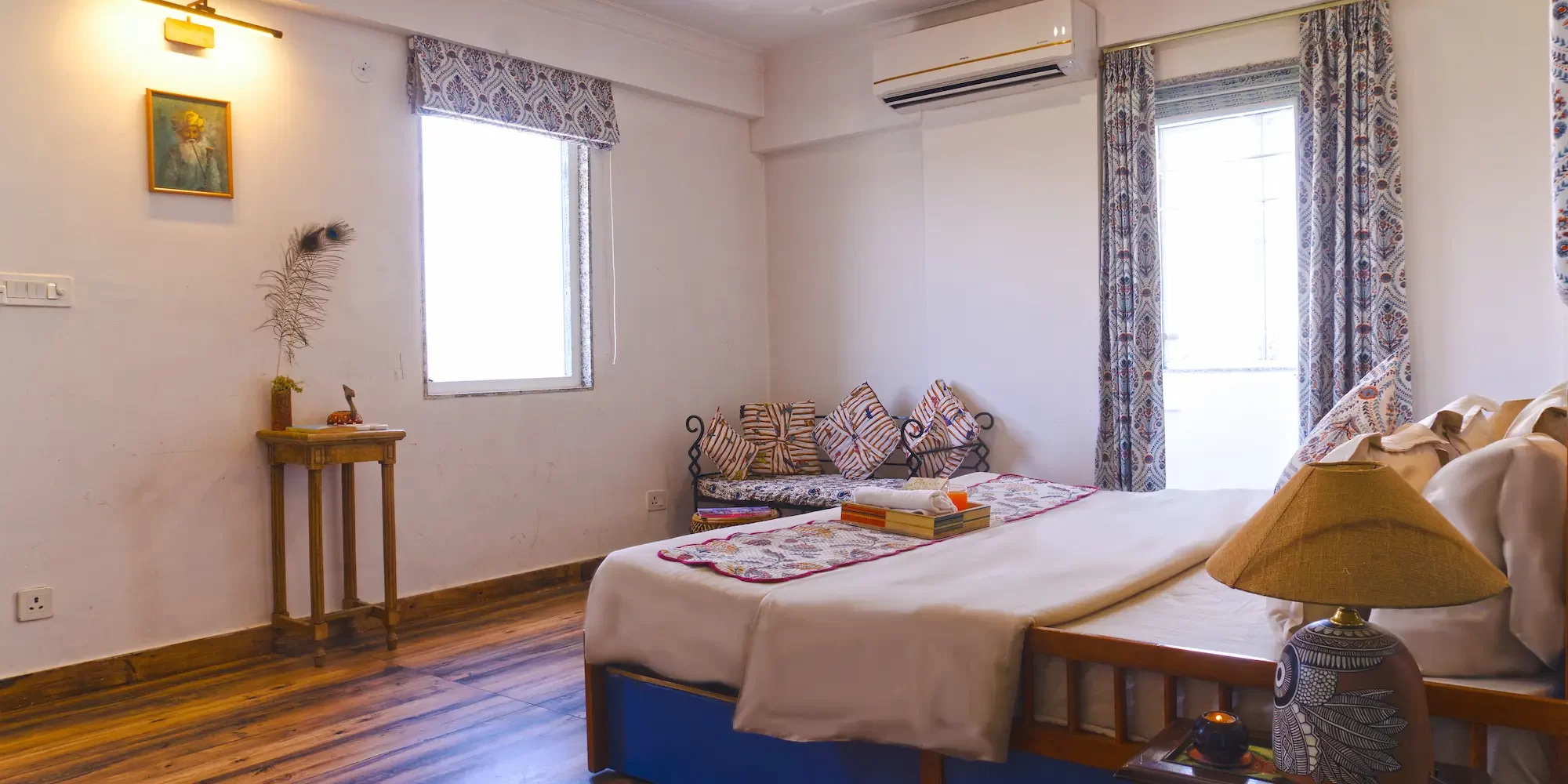
A property’s total bedroom count does not tell the whole story. Owners should also assess bed sizes, bathroom access, privacy, and whether the room layout suits different age groups.
For example, grandparents may prefer a bedroom on the ground floor, while parents travelling with young children may need sleeping arrangements close together. Other family members may appreciate a separate room where they can rest without being disturbed by the group’s activities.
Accurate listing descriptions should specify the number of bedrooms, actual bed configurations, bathroom arrangements, and maximum permitted occupancy.
Avoid relying on extra mattresses or improvised sleeping arrangements unless they are suitable, permitted, and clearly described.
2. Create Shared Spaces That Support Togetherness
One of the biggest advantages of a family holiday home is the opportunity to spend time together outside the bedroom.
A comfortable living room, a suitable dining area, or an outdoor seating space can become the natural gathering point for conversations, games, and shared meals.
When preparing a property, consider how many people can realistically use each area at the same time. A large group may need more than one seating zone so that some guests can talk while others relax quietly.
In suitable properties, terraces, gardens, and outdoor lounges can provide additional space. Their usefulness depends on weather conditions, accessibility, available seating, and the property’s rules.
The goal is to make shared areas functional rather than simply filling them with furniture.
3. Make Dining Practical for Larger Groups
Meals are often an important part of family reunions. Guests may want to eat together, enjoy snacks between outings, or prepare simple dishes during their stay.
A property owner should assess whether the dining area, seating, and kitchen facilities match the advertised occupancy.
Useful considerations include:
- Sufficient seating for the intended group size.
- Clear information about available kitchen equipment.
- Convenient access to drinking water and everyday essentials.
- Easy-to-clean dining surfaces.
- Adequate waste disposal arrangements.
- Information about available meal services, if offered.
If the property provides a cook or meal service at an additional cost, state the arrangements clearly. Do not imply that cooking assistance or a fully equipped kitchen is available unless it has been confirmed for that property.
4. Prepare for Different Daily Routines
A family reunion brings together people who may have very different schedules. Some guests may wake up early, others may prefer a slow morning, and children may need downtime between activities.
Property layouts should support these differences as far as possible. Separate seating areas, clearly arranged bedrooms, and practical storage can help guests share a home without feeling crowded.
Owners should also review bathroom access, water availability, lighting, and the placement of everyday essentials. These details can become particularly important when several guests are getting ready at the same time.
A property does not need to be enormous to work well for a group. It needs a layout that matches the number of guests and the way they are likely to use the space.
5. Make Safety and House Rules Easy to Understand
Large groups can create additional operational considerations, particularly when children, older relatives, or outdoor facilities are involved.
Before accepting group bookings, owners should review the condition of stairs, balconies, terraces, swimming pools, electrical fittings, and other relevant features.
Important safety information should be communicated clearly. If a property has restrictions regarding pool use, outdoor areas, visitor access, noise, or events, these should be stated before booking.
Owners should also establish a realistic occupancy limit based on the property’s permitted use, sleeping arrangements, facilities, and applicable requirements.
A family reunion booking should not automatically be treated as permission to host a party or invite additional visitors. The property’s house rules and booking conditions still apply.
6. Think About Privacy as Well as Togetherness
Family members may enjoy spending time together, but everyone also needs moments of personal space.
Bedrooms with appropriate separation, more than one sitting area, and well-planned indoor and outdoor spaces can help guests balance group activities with quiet time.
This can be particularly helpful during longer reunions, when family members may want to read, work remotely, help children settle down, or simply take a break from a busy shared schedule.
Owners should describe the property’s layout honestly so that guests can decide whether the arrangement suits their family.
7. Build a Reliable Turnover Process for Group Bookings
Large-group reservations can involve more linen, more bathroom supplies, greater use of kitchen facilities, and additional cleaning requirements.
A consistent turnover process helps ensure that the property is ready before the next group arrives.
A practical preparation checklist may include:
- Inspecting every bedroom and bathroom.
- Checking linen, towels, and essential supplies.
- Testing lights, air-conditioning, Wi-Fi, and hot water.
- Reviewing kitchen cleanliness and equipment.
- Checking outdoor seating and relevant safety features.
- Confirming the agreed guest count and arrival arrangements.
- Reporting maintenance issues before check-in.
These checks should be adapted to the individual property rather than applied as a one-size-fits-all list.
Why Jaipur Is Worth Considering for a Family Reunion
Jaipur offers families a combination of heritage attractions, local markets, cultural experiences, and dining options. Families can plan sightseeing, explore traditional crafts, or simply spend time together in a private setting between outings.
Accommodation requirements will depend on the purpose of the reunion. Some families may prefer a private villa with a garden, while others may find an apartment or a collection of suites more suitable.
Property owners should consider the group’s size, preferred activities, transportation needs, and budget when deciding which type of accommodation to book.
How Palm Leisure Stays Helps Owners Manage Group Stays
Managing a property for a large family requires coordination beyond standard check-in and check-out procedures. Sleeping arrangements, occupancy limits, housekeeping, guest communication, and maintenance all need attention.
Palm Leisure Stays manages a variety of accommodation types, including private homes, villas, apartments, and family-oriented stays in Jaipur. Depending on the property and management agreement, its services can include listing management, guest communication, housekeeping coordination, check-in support, and property operations.
For owners considering group bookings, a property-specific management approach can help clarify the accommodation’s strengths, communicate its limitations, and prepare it for the guests it is best suited to host.
Conclusion
A successful family reunion stay depends on more than the number of bedrooms or the size of the living room. Guests need suitable sleeping arrangements, practical dining facilities, shared spaces, clear rules, and a property that is properly prepared for their arrival.
For owners, understanding these requirements can help position a vacation rental more effectively and create a smoother experience for guests.
With thoughtful preparation and reliable operational support, Palm Leisure Stays helps property owners manage accommodation for a range of travel needs, including families and groups looking to spend meaningful time together.