A vacation rental may begin with attractive interiors and well-planned facilities, but every property eventually needs attention. Furniture wears out, fixtures become dated, and guest expectations change over time. For property owners, deciding when and how to upgrade a holiday home is an important part of maintaining its long-term suitability.
However, renovating a vacation rental is different from renovating a home for personal use. Improvements must be considered alongside guest comfort, operating costs, booking schedules, and the property’s intended audience.
A carefully planned renovation can improve functionality and refresh the overall experience. The key is to invest in changes that solve genuine problems rather than spending money on upgrades simply because they look impressive.
1. Identify What Needs Improvement Before Starting Work
Before planning a renovation, review the property’s current condition and identify areas that require attention.
Begin with practical questions. Are guests frequently reporting problems with a particular fixture? Is the furniture difficult to maintain? Does the existing layout make everyday use inconvenient? Are there repairs that have been postponed for too long?
Separating essential repairs from optional improvements helps create a more realistic plan.
For example, resolving a leaking bathroom fitting or replacing damaged flooring should generally take priority over adding decorative features. Essential safety issues should be addressed promptly, regardless of the property’s booking schedule.
Guest feedback, maintenance records, inspection reports, and staff observations can all help identify where investment is most useful.
2. Prioritise Improvements That Make the Property Easier to Use
Not every valuable renovation involves a dramatic visual transformation. Sometimes, small functional changes can make a property more convenient for guests.
Depending on the accommodation, useful improvements may include:
- Replacing worn mattresses or uncomfortable seating.
- Improving lighting in bedrooms and bathrooms.
- Adding practical storage for luggage and personal belongings.
- Updating bathroom fixtures that are difficult to maintain.
- Improving the usability of kitchen and dining spaces.
- Repairing doors, windows, locks, and frequently used fittings.
Before selecting upgrades, consider how guests actually use each room. A large decorative installation may look appealing in photographs, but better storage or more comfortable seating may provide greater everyday value.
The best improvements balance appearance, durability, maintenance requirements, and guest needs.
3. Set a Renovation Budget Based on Priorities
Renovation costs can increase quickly when several small projects are combined. Establishing a budget before work begins helps property owners make informed decisions.
Separate planned expenses into categories such as essential repairs, functional upgrades, cosmetic improvements, and contingency funds.
Obtain quotations for major work and clarify what each quotation includes. Labour, materials, transport, disposal, and finishing work may affect the final cost.
It is also useful to compare different options rather than automatically choosing the most expensive materials. In a frequently used rental property, durability and ease of cleaning may be more valuable than a premium finish that requires specialised maintenance.
Avoid assuming that every renovation will produce higher booking revenue. Assess each project according to its cost, purpose, expected lifespan, and relevance to the property’s target guests.
4. Schedule Renovations Around Property Operations
One of the biggest challenges of renovating a vacation rental is coordinating work with existing reservations.
Noise, dust, restricted access, and unfinished facilities can disrupt guest stays. Where substantial work is required, closing the affected property for an appropriate period may be more practical than attempting to renovate around occupied rooms.
Before work begins, review upcoming bookings, contractor availability, material delivery dates, and the time required for final cleaning and inspection.
Allow some flexibility in the schedule. Unexpected repairs or delayed materials can affect completion dates, so reopening should depend on the property’s actual readiness rather than the original target date alone.
If any existing reservation may be affected, communicate with the guest promptly and follow the applicable booking terms.
5. Choose Materials That Suit Frequent Guest Use
Vacation rentals experience repeated use from people with different habits and travel needs. Materials should therefore be selected with maintenance and replacement costs in mind.
Consider how easily surfaces can be cleaned, whether finishes withstand regular use, and how readily replacement parts can be sourced.
For example, practical flooring may be preferable to a delicate surface that scratches easily. Washable fabrics may be more suitable for frequently used seating, while bathroom fittings should be selected for reliability and ease of servicing.
The right choice depends on the property type, budget, climate, and expected usage.
Before finalising materials, discuss maintenance requirements with the contractor or supplier. A slightly higher initial cost may be worthwhile if the material is more durable, but the decision should be based on realistic comparisons.
6. Keep the Property’s Identity Intact
Renovation can be an opportunity to strengthen a property’s visual identity without removing the character that makes it distinctive.
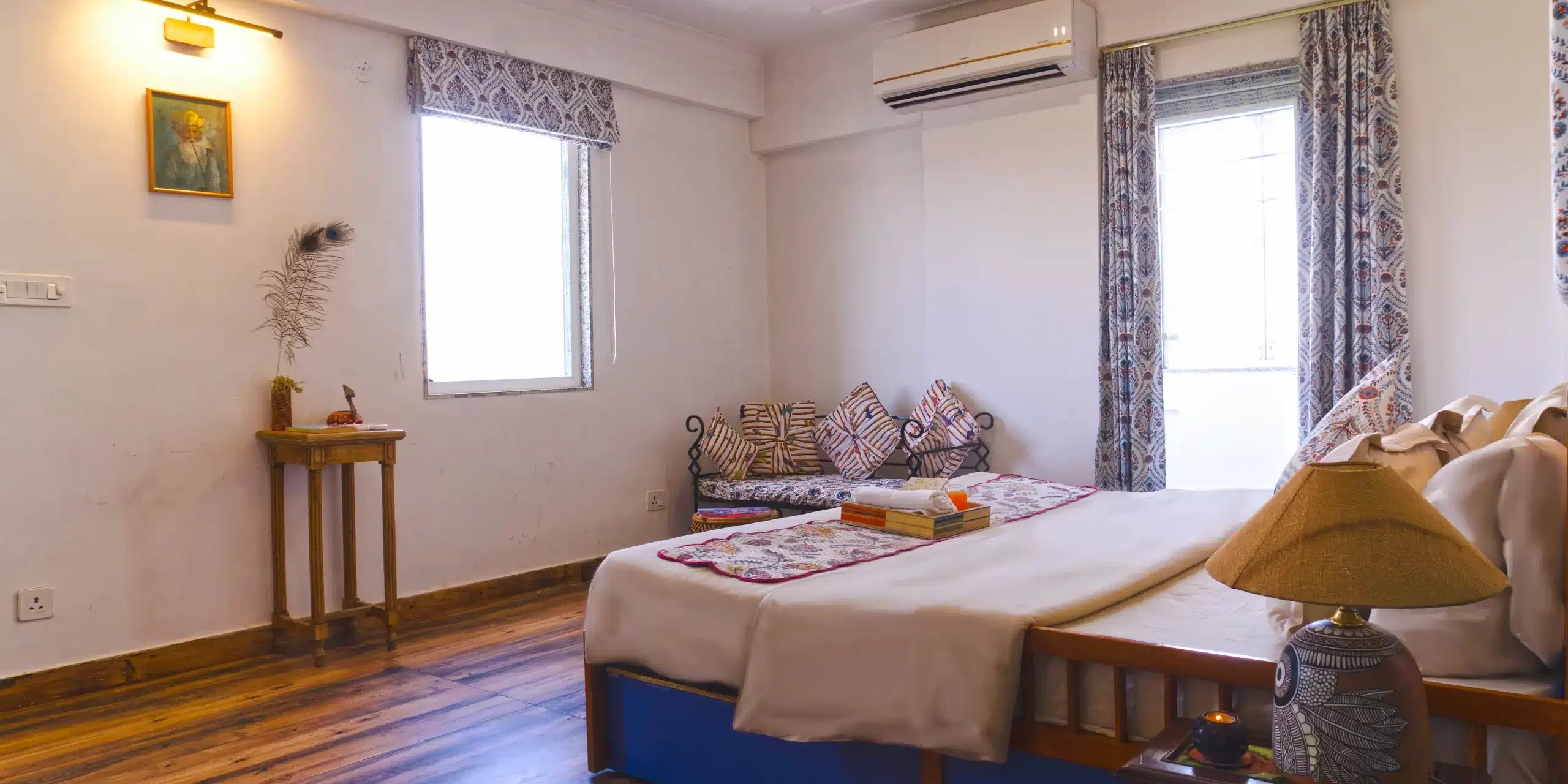
A Jaipur holiday home, for instance, may incorporate regional colours, traditional decorative elements, or architectural details alongside contemporary comforts.
Rather than changing everything at once, identify which features are worth preserving and which areas genuinely need updating.
A consistent design approach can make the property feel more considered and help its photographs accurately represent the experience guests will find.
The goal is not to follow every interior trend. It is to create an environment that suits the property, its intended audience, and its long-term maintenance requirements.
7. Complete a Thorough Inspection Before Reopening
Finishing the renovation does not automatically mean the property is ready for guests.
Before reopening, inspect the completed work and confirm that essential facilities are functional. Check water supply, electrical fittings, air-conditioning, locks, appliances, bathrooms, and any other facilities affected by the renovation.
Remove construction debris, complete a detailed clean, and ensure that all work areas are safe for occupancy.
Update photographs and property descriptions if the renovation has changed the layout, amenities, or appearance. Any new features should be described accurately, and outdated photographs should be replaced where necessary.
A structured reopening checklist can help ensure that improvements are complete and the property is genuinely ready to welcome guests.
How Palm Leisure Stays Can Support Property Improvement Planning
Renovation decisions become more effective when owners understand how improvements relate to day-to-day operations and the type of accommodation they want to offer.
Palm Leisure Stays works with a range of holiday properties, including private villas, apartments, family homes, and distinctive themed stays. Depending on the agreed management arrangement, its services may include property operations, maintenance coordination, hospitality branding, listing management, and operational support.
For owners considering a renovation, reviewing the property’s condition, guest feedback, maintenance needs, and intended positioning can help establish practical priorities before committing to larger expenses.
Conclusion
Renovating a vacation rental is an opportunity to improve functionality, address recurring problems, and maintain the property’s suitability for future guests.
By setting clear priorities, establishing a realistic budget, coordinating work carefully, and inspecting the property before reopening, owners can approach renovations with greater confidence.
Palm Leisure Stays recognises that effective property management involves looking beyond the immediate appearance of a home and considering how it performs throughout its operating life.