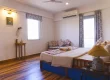
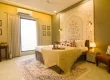
A well-designed vacation rental should make guests feel comfortable from the moment they arrive. While property owners often focus on interiors, amenities, and visual appeal, accessibility is another important factor that deserves attention.
Travellers have different physical requirements, mobility levels, and accommodation preferences. Some may travel with elderly family members, others may use mobility aids, and some may simply need a property with fewer physical obstacles.
For property owners in Jaipur, considering accessibility can help create a more welcoming accommodation experience and make a property suitable for a wider range of travellers.
At Palm Leisure Stays, we believe that thoughtful property planning should consider both appearance and practical usability.
1. Start with Easy Entry and Movement
The guest experience begins before anyone enters the bedroom. The approach to the property, entrance steps, doorways, corridors, and internal pathways all influence how easily guests can move around.
Property owners should assess whether entrances are convenient and whether commonly used areas have enough space for comfortable movement.
Where possible, improvements such as ramps, handrails, better lighting, and clearer pathways can make a property easier to navigate.
2. Pay Attention to Bathroom Design
Bathrooms are among the most important areas to consider when evaluating accessibility.
A property owner should review the available space, shower arrangement, floor surfaces, and ease of access to bathroom fixtures.
Depending on the property’s structure and renovation possibilities, useful improvements may include:
- Non-slip flooring.
- Secure grab bars where appropriate.
- Easy-to-reach fixtures.
- Well-lit bathroom spaces.
- Walk-in shower arrangements.
Any structural changes should be planned with appropriate professional guidance.
3. Create Comfortable Bedroom Arrangements
Bedroom design should consider more than furniture placement and decoration.
Guests may have different preferences regarding bed height, space around the bed, lighting, and access to storage.
Keeping pathways clear and ensuring that essential items are easy to reach can improve the usability of a room.
For properties accommodating families and groups, owners should also consider whether room allocation can support guests with different mobility requirements.
4. Improve Lighting Across the Property
Good lighting supports both comfort and navigation.
Poorly lit staircases, corridors, entrances, and outdoor pathways can create difficulties, particularly during evening hours.
Property owners should review lighting across the entire premises rather than focusing only on decorative fixtures.
Practical lighting around entrances, bathrooms, stairways, and outdoor spaces can make everyday movement easier.
5. Consider Accessibility in Outdoor Areas
Gardens, terraces, balconies, and swimming pool areas can add considerable appeal to a holiday home. However, these spaces should also be assessed for safe and convenient access.
Uneven flooring, narrow pathways, steep steps, and poorly maintained surfaces may limit their usability.
Where possible, maintaining clear walkways and suitable lighting can improve access to outdoor spaces.
6. Communicate Property Features Honestly
Accessibility requirements differ from guest to guest. A feature that works for one person may not be suitable for another.
Property owners should provide accurate descriptions of entrances, staircases, lifts, bathroom arrangements, and other relevant features.
Clear photographs and honest information allow guests to understand the property before booking and decide whether it meets their individual needs.
Avoid describing a property as fully accessible unless its facilities have been properly assessed against relevant accessibility requirements.
7. Treat Accessibility as Part of Long-Term Property Planning
Accessibility improvements do not always require a complete renovation.
Some changes may involve simple adjustments, such as improving lighting, rearranging furniture, adding clearer signs, or maintaining unobstructed pathways.
Other improvements may require structural investment and professional assessment.
Property owners should identify which changes are practical for their building and include suitable upgrades in their long-term maintenance and improvement plans.
How Palm Leisure Stays Helps Property Owners
Preparing a property for hospitality involves understanding its strengths, limitations, layout, and operational requirements.
Palm Leisure Stays works with property owners through vacation rental management services that can include property feasibility assessment, hospitality positioning, listing preparation, housekeeping coordination, guest communication, and maintenance support.
Accessibility can also be considered during property evaluation and improvement planning, depending on the building’s structure and the owner’s objectives.
The aim is to help owners understand their property’s potential and create an accommodation experience that is thoughtfully planned and professionally managed.
Conclusion
Inclusive property design is an important consideration in modern hospitality. From convenient entrances and practical bathroom arrangements to better lighting and clear property information, thoughtful improvements can make a vacation rental more welcoming.
For property owners in Jaipur, considering accessibility during property planning can help create a more functional accommodation space while supporting the needs of different travellers.
With the right planning and professional management approach, Palm Leisure Stays helps property owners explore ways to develop and manage distinctive hospitality spaces.