A comfortable vacation rental should allow guests to enjoy their stay without unnecessary difficulty. While attractive interiors and modern amenities are important, accessibility is another factor that deserves attention when preparing a property for guests.
Travellers have different physical requirements. Some may be travelling with elderly parents, while others may have temporary mobility limitations or require additional space to move around comfortably. A property that considers these needs can offer a more welcoming experience to a wider range of guests.
For vacation rental owners, accessibility does not always require major structural changes. Several thoughtful improvements can make everyday spaces easier to use.
Start With Easy Movement Around the Property
The first step towards improving accessibility is understanding how guests move through the property.
Narrow pathways, unnecessary furniture and cluttered entrances can make movement difficult. Keeping common areas organised and ensuring that walkways remain clear can improve convenience for everyone.
Property owners should also review entrance steps, door widths and transitions between different areas. Where possible, reducing avoidable obstacles can make the property more practical for guests with mobility requirements.
Give Special Attention to Bedroom Arrangements
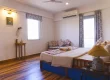
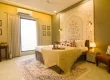
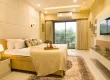
Bedrooms should provide enough space for guests to move comfortably around the bed and access essential furniture.
Some useful considerations include:
- Clear pathways between furniture
- Conveniently placed bedside tables
- Easily reachable switches and charging points
- Adequate lighting near the bed
- Accessible wardrobes and storage
- Comfortable seating arrangements
The placement of furniture matters just as much as the furniture itself. A well-organised room can feel more spacious and easier to navigate.
Make Bathrooms Safer and More Convenient
Bathrooms require particular attention because wet surfaces and limited movement space can create difficulties.
Depending on the property’s layout and renovation possibilities, owners can consider installing grab bars, non-slip flooring, accessible shower arrangements and easily reachable towel racks.
Good lighting and clearly organised bathroom essentials can also improve usability.
Any accessibility features should be professionally installed and regularly checked to ensure they remain safe and functional.
Improve Lighting Across Different Areas
Lighting is often overlooked when discussing accessibility, but it plays an important role in how guests use a property.
Poorly lit staircases, corridors and entrances can create unnecessary difficulty, particularly at night.
Owners should ensure that important areas have adequate illumination. Night lights, well-positioned switches and consistent lighting across common pathways can make navigation easier.
Outdoor spaces, parking areas and entrances should also receive attention.
Consider Guests Travelling With Elderly Family Members
Many families choose private villas and holiday homes because they offer shared spaces and greater flexibility.
However, when elderly family members are travelling, practical arrangements become especially important.
Ground-floor bedroom availability, convenient bathroom access, comfortable seating and minimal stair usage can influence the suitability of a property.
Owners should describe these features accurately so that families can decide whether the accommodation meets their requirements.
Communicate Accessibility Features Honestly
One of the most important responsibilities of a vacation rental manager is providing accurate property information.
A listing should clearly mention available accessibility features and any limitations. For example, if a property has stairs without a lift or bedrooms only on upper floors, this information should be communicated before booking.
Clear photographs and honest descriptions help guests make informed decisions and reduce the possibility of mismatched expectations.
Make Accessibility Part of Regular Property Inspections
Accessibility is not a one-time improvement. It requires regular attention.
Property inspections should include checks of handrails, lighting, bathroom fittings, pathways and other features that support safe movement.
Any damaged fittings or obstacles should be addressed promptly.
Consistent maintenance helps ensure that accessibility features remain useful rather than becoming overlooked additions.
Conclusion
Accessible design is an important part of thoughtful hospitality. Clear pathways, practical bedroom layouts, safer bathrooms and suitable lighting can make vacation rentals more welcoming for guests with different requirements.
At Palm Leisure Stays, every property has its own layout and character. Understanding how guests use each space helps property owners identify meaningful improvements that support comfort, convenience and a better overall stay.