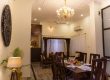
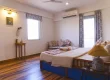
Preparing a property for the vacation rental market does not always mean completely renovating it.
Property owners often face a different question: Which improvements will actually make a meaningful difference?
A fresh coat of paint, better furniture, improved lighting, new appliances or a redesigned outdoor area can all change a property. But not every improvement needs to happen at the same time.
For owners considering vacation rental management in Jaipur, understanding how to prioritise property improvements can help avoid unnecessary spending while creating a property that works well for its intended guests.
Start With the Property’s Existing Strengths
Before making changes, understand what the property already does well.
Perhaps it has:
- Large bedrooms
- A spacious garden
- A distinctive architectural style
- Good natural light
- A convenient layout
- Large common areas
- A strong residential character
These existing features can become the foundation of the vacation rental rather than being replaced unnecessarily.
Not Every Property Needs a Luxury Renovation
The goal is not automatically to make every property look expensive.
A vacation rental needs to be functional, attractive and appropriate for its target market.
Spending heavily on decorative changes while overlooking basic usability may not produce the desired result.
Improvements should therefore begin with practical priorities.
Separate Improvements Into Categories
One useful way to assess a property is to divide potential improvements into four categories.
1. Essential Improvements
These are issues that affect basic usability or safety.
Examples may include:
- Faulty electrical fittings
- Plumbing problems
- Broken appliances
- Damaged furniture
- Poor lighting
- Problems with doors or locks
These generally deserve attention before decorative upgrades.
2. Guest Comfort Improvements
Once essential issues are addressed, consider changes that can make the property easier to use.
This could include:
- Better mattresses
- Additional seating
- Improved curtains
- More practical storage
- Better bathroom accessories
- Improved room lighting
These changes may not completely transform the property visually, but they can improve everyday usability.
3. Visual Improvements
After functionality and comfort, owners can consider the property’s appearance.
This might involve:
- Updated wall finishes
- Artwork
- Decorative pieces
- Better lighting design
- Coordinated furniture
- Outdoor styling
The aim should be to strengthen the property’s character rather than make it look identical to every other rental.
4. Experience-Oriented Improvements
Some properties have features that can become part of their identity.
A large garden, terrace, pool, entertainment area or distinctive architectural element may offer an opportunity to create a stronger overall property concept.
These improvements should be evaluated according to the property and the guests it is intended to attract.
Think About How Guests Will Actually Use the Property
A property should be evaluated from the guest’s perspective.
Walk through it as though you have just arrived.
Where would you put your luggage?
Where would you sit?
Is there enough lighting at night?
Is the kitchen practical?
Are the bathrooms easy to use?
Can a group comfortably eat together?
Are outdoor areas actually usable?
This exercise can reveal improvement opportunities that may not be obvious during a normal property visit.
Prioritise High-Use Areas
Not every part of a property receives equal use.
Bedrooms, bathrooms, living rooms, kitchens and entrances generally deserve more attention than decorative areas that guests rarely interact with.
Improving high-use areas can create a more noticeable difference in everyday guest experience.
Consider Maintenance Before Adding Features
A new feature can look attractive during the launch phase but create additional maintenance requirements later.
Before adding something to a vacation rental, owners should consider:
- How often it will need servicing
- Who will maintain it
- Whether replacement parts are available
- How frequently guests will use it
- Whether the feature suits the property’s operational setup
An improvement should work not only aesthetically but operationally.
Think About the Property’s Positioning
A property’s improvements should support what makes the property distinctive.
For example, a spacious family villa may benefit from improvements that make group living easier.
A designer apartment may benefit from carefully selected interiors.
A property with strong outdoor space may benefit more from improving its garden or terrace than from investing heavily in indoor decoration.
The improvement strategy should therefore begin with the property’s identity.
Avoid Making Every Property Look the Same
A professional vacation rental portfolio can include properties with very different personalities.
Standardising operational quality does not mean standardising design.
A villa, apartment and heritage-style property can each maintain its own visual identity while following consistent standards for cleanliness, functionality and guest readiness.
This balance can help properties remain distinctive.
How Palm Leisure Stays Can Help Owners Think Through Property Improvements
Palm Leisure Stays works with different types of hospitality and vacation rental properties in Jaipur.
Its services include property positioning, feasibility analysis, hospitality branding, operational support and launch advisory.
This broader perspective can be useful when owners are deciding how a property should be prepared for the vacation rental market.
Instead of viewing every improvement independently, owners can consider how the property’s layout, target guests, operations and overall positioning work together.
Improvements Should Be Prioritised, Not Just Added
A property can always have another feature, another decoration or another upgrade.
But the objective should not be to keep adding things indefinitely.
A better approach is to ask:
Does this improvement solve a real problem?
Will guests actually use it?
Does it suit the property?
Can it be maintained properly?
Does it support the property’s overall positioning?
These questions can help owners make more deliberate decisions.
Conclusion
Preparing a property for the vacation rental market is not necessarily about spending the most money.
It is about identifying what needs improvement, understanding how guests will use the property and prioritising changes that support functionality, comfort and the property’s individual character.
For Jaipur property owners considering professional vacation rental management, Palm Leisure Stays can bring together property positioning, feasibility, hospitality branding and operational considerations to help owners approach improvements more strategically.