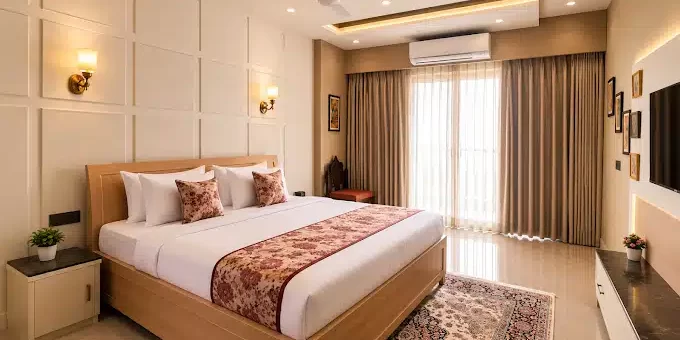
A vacation rental property may welcome very different kinds of guests throughout the year. One booking could be a family holiday, the next a group of friends, and another a visit connected to a wedding, celebration, or professional commitment.
Although the property remains the same, the reasons people choose it can vary significantly. Each guest arrives with different priorities, expectations, and plans.
Understanding these differences is an important part of managing a successful vacation rental. Instead of treating every reservation as identical, property managers need to consider how the accommodation can serve different travel purposes while maintaining consistent standards.
At Palm Leisure Stays, recognising the individual character of each property and its potential guest segments is an important part of hospitality management.
Understanding the Purpose Behind Every Booking
Guests rarely choose accommodation without a reason. Their travel purpose often influences the features they value most.
For example:
- Families may prioritise suitable bedroom arrangements and shared spaces.
- Groups of friends may appreciate common areas where everyone can spend time together.
- Wedding guests may need convenient accommodation for several members of their group.
- Leisure travellers may focus on the property’s atmosphere and surrounding experiences.
- Guests visiting for professional reasons may value connectivity and practical arrangements.
Understanding these differences helps property managers communicate the property’s strengths more effectively.
Presenting Property Features According to Guest Needs
A property may have several features, but not every feature will be equally important to every guest.
A large dining area, for instance, may be particularly useful for a family or group travelling together. A terrace may be an attractive feature for guests who enjoy spending time outdoors. Multiple bedrooms may make a private home suitable for larger travel groups.
The important part is presenting these features accurately and explaining how they contribute to the property’s overall experience.
This allows potential guests to decide whether the accommodation matches their requirements.
Creating Flexible Yet Consistent Guest Experiences
Different guest requirements do not mean that hospitality standards should change from one booking to another.
Cleanliness, property readiness, accurate information, and organised arrival arrangements should remain consistent.
At the same time, property managers can consider guest-specific requirements wherever practical.
For example, a group may need clarity about sleeping arrangements, while a family may want information about available facilities before arrival.
The objective is to provide relevant information without making the management process unnecessarily complicated.
Why Property Positioning Matters
Property positioning refers to how an accommodation is presented to potential guests.
A private villa with multiple bedrooms and outdoor spaces may be positioned differently from a compact city apartment or a creatively designed home.
Trying to appeal to every possible guest segment with the same message can make a property listing less distinctive.
A clearer approach is to identify the property’s strongest features and communicate the types of stays it is genuinely suited for.
This helps attract enquiries from guests whose expectations are more closely aligned with the accommodation.
Learning from Guest Enquiries and Booking Patterns
Guest enquiries can provide useful insights into what people are looking for.
Repeated questions about room arrangements, parking, dining facilities, property rules, or additional services may reveal which details need to be communicated more clearly.
Similarly, booking patterns can help property managers understand which guest segments show interest in particular properties.
These observations can inform future listing updates, guest communication, and property presentation.
Rather than making assumptions about demand, management teams can use actual enquiries and booking information to understand how a property is being considered by travellers.
Matching Guest Expectations with Property Capabilities
One of the most important responsibilities in vacation rental management is ensuring that a property is presented honestly.
A property should not be marketed for a particular purpose unless its facilities, layout, rules, and capacity support that use.
For instance, a home suitable for family accommodation may not automatically be appropriate for large celebrations or events.
Clear information about occupancy, house rules, available facilities, and restrictions helps guests make informed decisions before confirming a reservation.
How Palm Leisure Stays Approaches Different Guest Requirements
Palm Leisure Stays manages a range of accommodation formats in Jaipur, including private homes, villas, and distinctive holiday properties.
Each property has its own layout, features, and potential guest profile. The management approach considers these individual characteristics while supporting listing management, guest communication, pricing, booking coordination, and property operations.
By understanding what makes each property suitable for particular types of stays, Palm Leisure Stays aims to present accommodation more clearly and support a better match between guest expectations and property capabilities.
Conclusion
A vacation rental property can serve different purposes throughout the year, but its success depends on understanding which guest requirements it can genuinely meet.
Thoughtful property positioning, accurate listing information, flexible guest communication, and consistent operational standards help create a more suitable experience for different travellers.
At Palm Leisure Stays, recognising the individual strengths of each property is part of building a hospitality experience that goes beyond simply securing a booking.