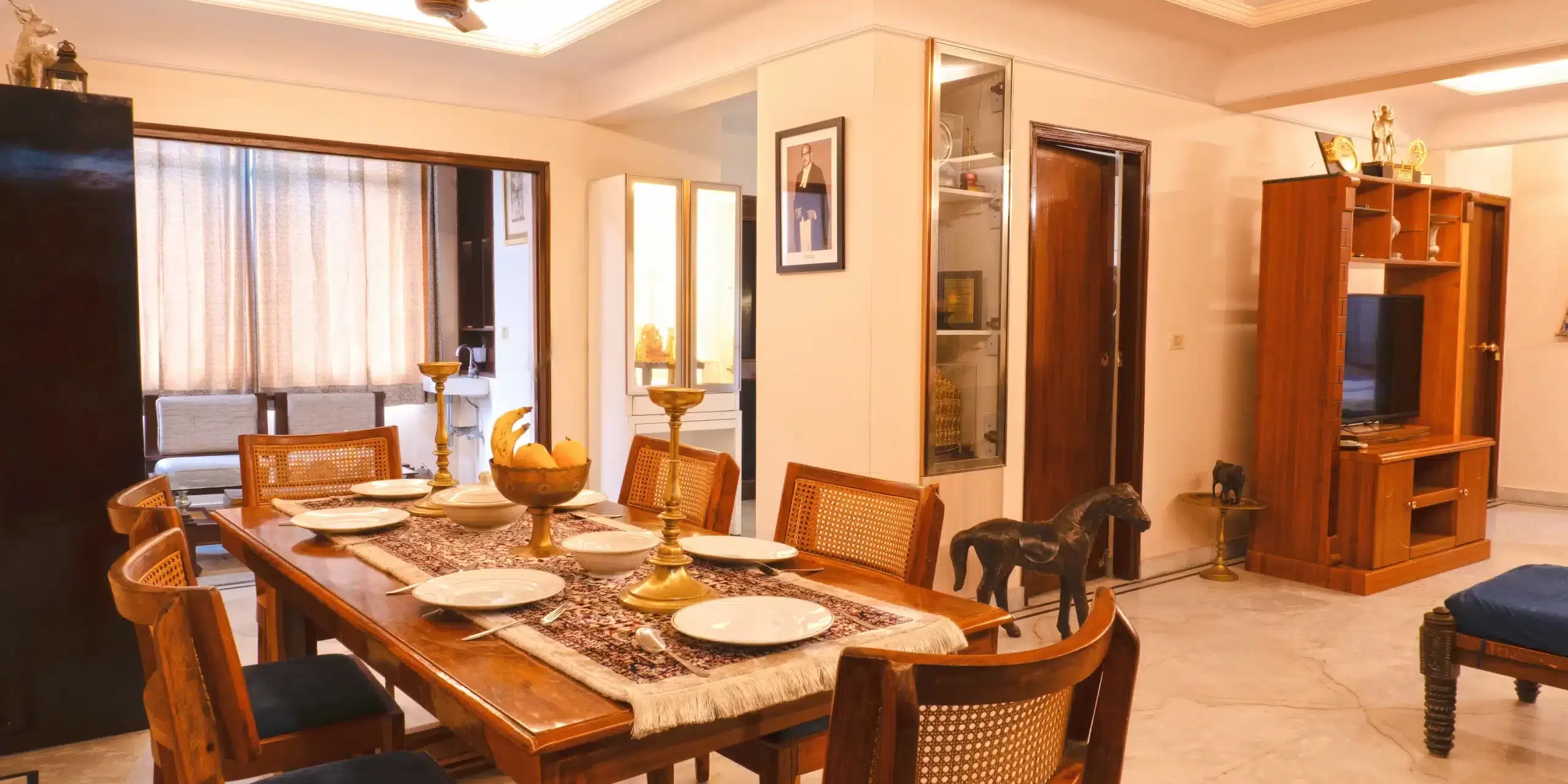
A successful vacation rental business involves much more than attracting bookings. While an attractive property may encourage guests to make a reservation, the everyday convenience offered during their stay plays an equally important role in shaping their experience.
Travellers want accommodation that fits naturally into their plans. They appreciate clear information, practical facilities, organised services, and an environment where everyday requirements are easy to manage.
For property owners, understanding these expectations can help create a more organised hospitality business. At Palm Leisure Stays, the focus is on managing vacation rentals with attention to both property operations and the overall guest experience.
1. Think About the Guest’s Entire Stay, Not Just the Booking
The guest journey does not begin and end with a reservation confirmation. It includes several stages, from planning the visit to checking out of the property.
Property owners should consider what guests may need at each stage.
Before arrival, guests may require directions, check-in information, and details about available facilities. During the stay, they may need assistance with housekeeping, meals, local travel, or property-related questions. At checkout, clear instructions can help make departure easier.
Mapping these stages helps identify gaps in the guest experience and creates opportunities to improve the way the property operates.
2. Make Property Information Easy to Understand
Unclear information can create unnecessary questions and misunderstandings.
A well-organised property guide should explain important details such as:
- Check-in and checkout procedures.
- Available rooms and sleeping arrangements.
- Kitchen and appliance instructions.
- House rules and property guidelines.
- Parking arrangements.
- Available services and additional charges.
- Emergency contact information.
The information should be easy to access and written in simple language.
When guests understand how the property works, they can settle in more comfortably and make better use of the available facilities.
3. Identify Small Inconveniences Before They Become Problems
Sometimes, minor details have a greater impact on a guest’s experience than expensive property upgrades.
A missing kitchen essential, unclear Wi-Fi instructions, poorly placed lighting, or a difficult-to-use appliance can interrupt an otherwise comfortable stay.
Property owners should regularly review the accommodation from a guest’s perspective.
Walk through the property and consider whether everyday activities are straightforward. Check whether guests can find essential items, understand appliance instructions, and move comfortably between different areas.
Addressing these details can improve usability without requiring major renovations.
4. Design Services Around Different Guest Requirements
Not every guest uses a vacation rental in the same way.
A family may appreciate convenient meal arrangements and additional housekeeping support. A group travelling together may need clear information about shared spaces and sleeping arrangements. Guests attending a wedding may have different schedules from those visiting Jaipur for sightseeing.
Instead of offering the same approach to every reservation, property managers can identify common guest requirements and organise suitable services.
This does not mean creating complicated packages. It means making relevant information and available assistance easy to access.
5. Make Communication Clear and Consistent
Good communication is one of the foundations of professional vacation rental management.
Guests should know whom to contact, when assistance is available, and what information they need to provide when reporting an issue.
Property managers can improve communication by creating standard responses for frequently asked questions, maintaining accurate property information, and establishing clear procedures for handling requests.
Consistency is particularly important when several team members are involved in managing reservations and guest services.
A structured communication process helps reduce confusion and ensures that important information is not overlooked.
6. Keep Convenience Within a Practical Operating Budget
Improving guest convenience does not always require adding more services or spending heavily.
Property owners should evaluate which improvements are genuinely useful and sustainable.
For example, providing clear appliance instructions may be more practical than replacing a functioning appliance. Organising essential supplies may improve everyday usability without introducing unnecessary expenses.
Before introducing a new service, consider its cost, staffing requirements, maintenance needs, and likely guest demand.
The objective is to create a comfortable experience while keeping the property’s operating model manageable.
7. Use Guest Feedback to Improve Property Operations
Guest feedback can reveal practical issues that may not be obvious during routine property inspections.
Repeated comments about unclear directions, missing essentials, or inconvenient arrangements can help managers identify areas that need attention.
Instead of treating every review as an isolated response, look for patterns over time.
Categorise feedback into areas such as communication, cleanliness, facilities, maintenance, and overall convenience. This makes it easier to identify recurring concerns and prioritise improvements.
A consistent review process also helps property owners make decisions based on actual guest experiences rather than assumptions.
8. Why Professional Management Can Make a Difference
Managing a vacation rental requires coordination across multiple responsibilities. Reservations, guest communication, housekeeping, maintenance, property presentation, and operational planning all need attention.
For owners managing properties alongside other professional or personal commitments, handling every responsibility independently can become challenging.
Palm Leisure Stays offers hospitality and property management support in Jaipur, with services that may include listing management, guest communication, check-in coordination, housekeeping coordination, pricing support, and operational assistance, depending on the agreed management model.
A structured management approach can help property owners organise responsibilities while maintaining attention to the guest experience.
Conclusion
A strong vacation rental business is built through a combination of attractive accommodation, organised operations, and practical guest support.
By simplifying everyday activities, communicating clearly, reviewing feedback, and managing costs carefully, property owners can create a more dependable hospitality experience.
At Palm Leisure Stays, the approach to vacation rental management recognises that successful hosting is not limited to securing reservations. It also involves making each stage of the guest journey easier to navigate.