The vacation rental market offers travellers a wide range of accommodation choices. From private villas and independent apartments to themed homes and luxury holiday properties, guests can select a stay that matches their preferences and travel plans.
For property owners, this variety creates an important business challenge: how can one property establish a distinctive identity in a market where travellers have so many options?
The answer is not necessarily to add more amenities or make expensive design changes. A property becomes memorable when its character, presentation, services, and overall experience work together.
At Palm Leisure Stays, managing a diverse portfolio of properties in Jaipur involves understanding what makes each accommodation distinctive and how it can be presented to the right audience.
1. Give the Property a Clear Identity
Every property has characteristics that can help define its identity.
It may be a spacious private villa, a creatively designed apartment, a family-oriented home, or an accommodation inspired by local culture.
The first step is identifying these qualities and deciding how they should be communicated to potential guests.
A property should not try to appeal to every traveller in exactly the same way. Instead, its presentation should highlight the features that genuinely make it suitable for particular types of stays.
For example, a large villa may be positioned around private group accommodation, while a themed apartment may appeal to guests who appreciate distinctive interiors.
A clear identity makes it easier for travellers to understand what they can expect.
2. Let the Property’s Character Influence Its Presentation
A property’s visual identity plays an important role in how guests perceive it online.
However, attractive photographs alone are not enough. The listing description, room names, property highlights, and overall presentation should communicate a consistent story.
Consider the details that make the accommodation different:
- Architectural features.
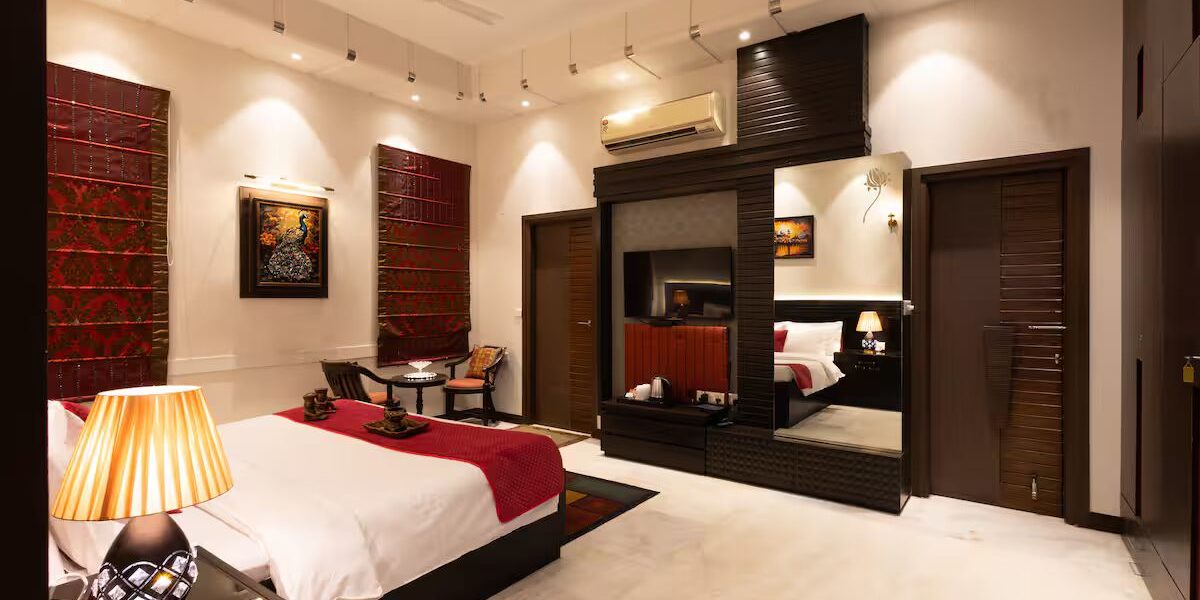
- Interior design and décor.
- Layout and room configuration.
- Outdoor areas and terraces.
- Cultural or artistic influences.
- Distinctive facilities.
These features should be described accurately and supported by suitable photographs.
The objective is to help potential guests understand the property’s personality before they book.
3. Choose the Right Audience for Each Property
A common mistake in hospitality marketing is presenting every property as suitable for everyone.
Different accommodation types naturally serve different travel requirements.
A private villa with multiple bedrooms may be appropriate for a family holiday or group gathering. A smaller apartment may work better for a couple or a short city visit. A spacious home with outdoor areas may appeal to guests who want to spend more time at the property.
Understanding these differences helps owners make more informed decisions about property positioning, listing content, and marketing communication.
It also reduces the risk of creating expectations that the accommodation cannot fulfil.
4. Focus on the Details That Make a Property Memorable
A distinctive property does not need to be filled with expensive décor or elaborate features.
Sometimes, carefully selected details create a stronger impression than excessive decoration.
A thoughtfully arranged dining area, an interesting artwork, a comfortable reading corner, or a well-maintained terrace can contribute to the property’s identity.
The key is consistency. Interior elements should complement the overall design rather than compete for attention.
Property owners should also remember that visual appeal must work alongside practical usability. Furniture, décor, and accessories should be suitable for regular guest use and manageable from a maintenance perspective.
5. Build a Listing That Reflects the Actual Property
Online listings are often the first point of contact between a property and a potential guest.
A strong listing should communicate the property’s most relevant features without exaggeration.
It should clearly explain:
- The number and arrangement of bedrooms.
- Guest capacity and sleeping arrangements.
- Available amenities.
- Important property rules.
- Location and accessibility details.
- Additional services and applicable charges.
Photographs should accurately represent the accommodation, including its layout and shared spaces.
When descriptions and photographs match the actual property, guests can make better-informed booking decisions.
6. Maintain a Consistent Standard Across Every Stay
A property’s identity may attract a guest, but the quality of the actual experience influences how they remember it.
This is where consistent operations become important.
Housekeeping, maintenance, linen management, inventory checks, and property inspections should follow organised procedures.
For owners with multiple properties, maintaining a consistent standard can require additional coordination. Each property may have different layouts, facilities, and operational requirements.
A property-specific checklist helps teams understand what needs to be checked before every arrival.
Consistency does not mean making every property identical. It means ensuring that each property delivers the standards and features communicated to its guests.
7. Understand the Commercial Side of Property Positioning
A property’s identity should also make sense from a business perspective.
Owners should consider the type of demand the property is intended to attract, the expenses involved in maintaining its features, and the level of service required to operate it.
For instance, a property with extensive outdoor areas may require additional maintenance. A large villa may need more housekeeping coordination than a smaller apartment.
These operational considerations should be included when evaluating the property’s commercial potential.
The goal is to develop a property concept that is attractive to guests while remaining practical to manage.
8. How Palm Leisure Stays Approaches a Diverse Property Portfolio
Palm Leisure Stays manages different styles of accommodation in Jaipur, including private homes, villas, apartments, themed properties, and family-oriented stays.
Each property has its own character and operational requirements.
Some examples from the portfolio include:
- Palm Venicia: A creatively designed villa featuring individually themed bedrooms.
- Borderman’s Retreat: A distinctive apartment inspired by the experience and legacy of a retired BSF Inspector General.
- Ghiya’s Retreat: A Rajasthani cultural homestay with traditional influences and distinctive spaces.
- Palm Familia: A large private property with a garden, swimming pool, and sports facilities.
- The Judge’s Abode: A residence that reflects a personal legacy through photographs, heirlooms, and historical details.
These properties demonstrate how different accommodation concepts can serve different guest preferences.
Palm Leisure Stays’ management approach combines property presentation with operational support, helping owners organise areas such as listing management, guest communication, housekeeping coordination, and property operations according to their management arrangement.
9. Keep Improving Without Losing the Property’s Original Character
Hospitality trends and guest expectations continue to evolve, but constant redesign is not always necessary.
Owners should review their properties periodically to understand which features remain useful and which areas require improvement.
Guest feedback, maintenance records, booking patterns, and operational observations can help identify opportunities.
Some improvements may involve updating furnishings, improving lighting, reorganising storage, or replacing worn-out essentials.
The important thing is to improve the property without losing the qualities that make it distinctive.
Conclusion
Standing out in the vacation rental market requires more than attractive photographs or a long list of amenities. It requires a clear property identity, accurate presentation, thoughtful design, and reliable operations.
Every property has something different to offer. Understanding those qualities and presenting them to the right audience can help create a more meaningful position in the hospitality market.
Through its diverse portfolio and property management services, Palm Leisure Stays brings attention to the individual character of each accommodation while supporting the operational requirements behind a successful stay.