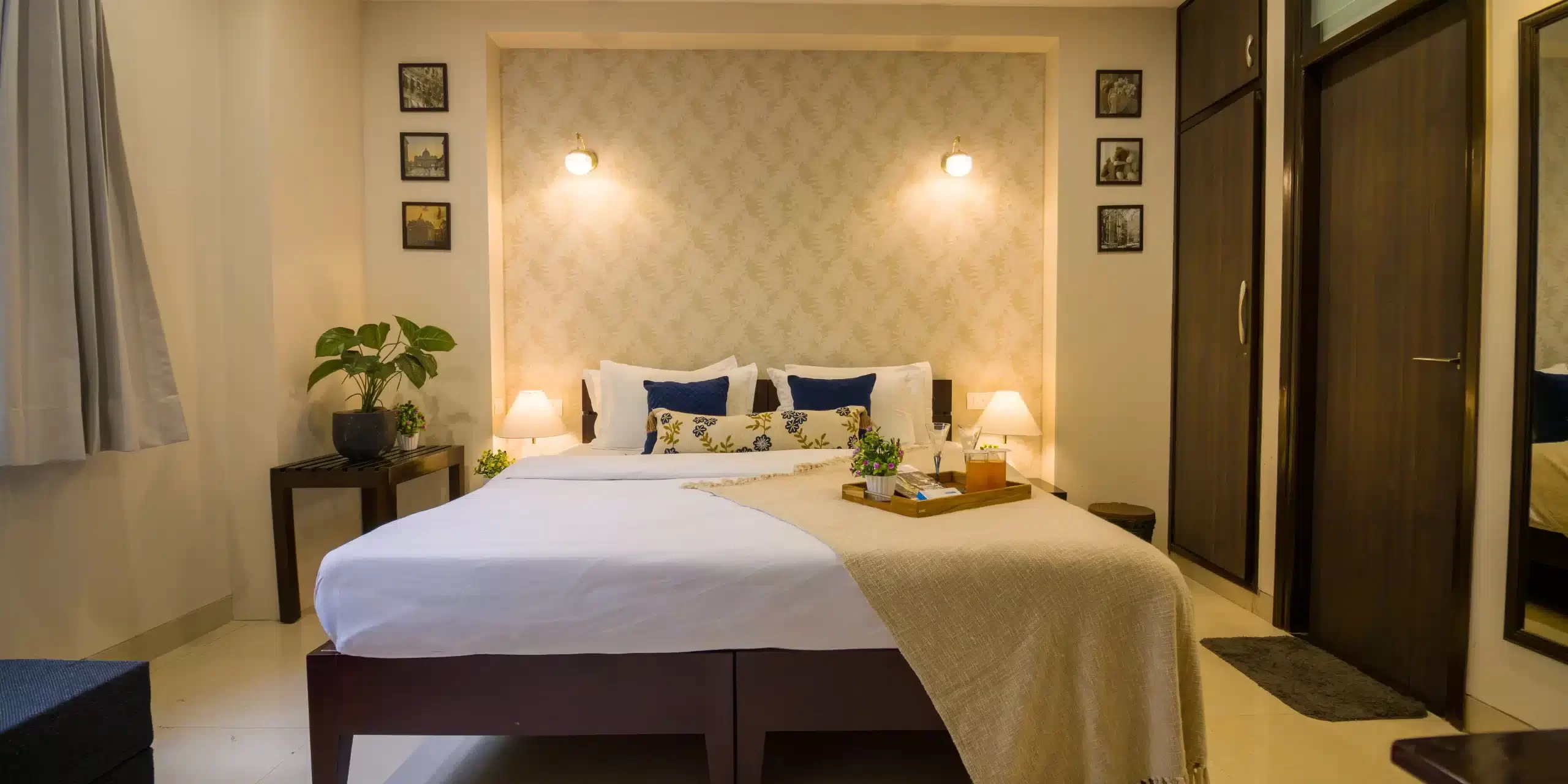
A beautifully presented vacation rental may look effortless when guests walk through its doors. The rooms are organised, the essentials are in place, and everything appears ready for a comfortable stay.
However, behind that experience is a series of operational activities that guests rarely notice.
From checking inventory and coordinating housekeeping teams to monitoring maintenance requirements and preparing rooms between reservations, professional vacation rental management involves continuous attention to detail.
For property owners, understanding this behind-the-scenes work is important because the quality of a stay depends not only on the property itself but also on the systems that keep it running.
At Palm Leisure Stays, managing vacation rentals involves bringing together multiple operational responsibilities to support a consistent hospitality experience.
1. Inventory Management: Keeping Track of the Small Essentials
A vacation rental requires more than furniture and attractive interiors. It also needs everyday essentials that allow guests to use the property comfortably.
These may include:
- Fresh bed linen and towels.
- Toiletries and bathroom supplies.
- Kitchen utensils and serving essentials.
- Drinking water arrangements.
- Cleaning materials.
- Basic household supplies.
Without proper inventory management, small shortages can become recurring operational problems.
A systematic inventory process helps teams understand what is available, what needs replenishment, and which items require replacement.
Property-specific inventory lists can also make it easier to monitor consumption and plan purchases without unnecessary spending.
2. Housekeeping Coordination Between Reservations
Housekeeping is one of the most important parts of vacation rental operations.
Unlike a property used by a single household, a vacation rental may welcome different guests throughout the month. Each departure creates a new preparation cycle before the next arrival.
The process may involve:
- Changing and checking bed linen.
- Cleaning bedrooms and bathrooms.
- Sanitising frequently used surfaces.
- Checking kitchen cleanliness.
- Removing waste.
- Replenishing essential supplies.
- Inspecting common areas and outdoor spaces.
The work should be organised around reservation schedules, property size, and the condition of the accommodation.
A structured housekeeping checklist helps teams maintain consistency and reduces the chances of overlooking important details.
3. Maintenance Monitoring Before Problems Escalate
Maintenance is not limited to repairing something after it stops working.
Regular inspections can help identify early signs of wear, damage, or equipment issues.
Property teams should periodically check air conditioning, plumbing, electrical fittings, appliances, locks, furniture, and other frequently used features.
It is useful to maintain a record of reported issues, repair dates, service providers, and recurring problems.
This information helps property owners understand where maintenance costs are occurring and which improvements may be worth prioritising.
Preventive maintenance also helps reduce the likelihood of avoidable interruptions during a guest’s stay.
4. Staff Coordination and Clear Responsibilities
A vacation rental may involve several people working behind the scenes, including housekeeping staff, maintenance professionals, supervisors, and guest support teams.
When responsibilities are unclear, tasks can be delayed or missed.
Every team member should understand their role, reporting process, and the standards expected from their work.
For example, housekeeping staff should know how to report damaged items, while maintenance personnel should understand how to communicate repair completion.
A clear responsibility structure helps different teams work together without depending entirely on last-minute instructions.
5. Managing Property Access and Security
Property access requires careful coordination, particularly when guests, staff, vendors, and service providers may enter at different times.
Owners should establish clear procedures for key handling, access permissions, check-in coordination, and emergency situations.
Where digital locks or access systems are used, their functioning should be checked regularly.
It is also important to ensure that access instructions are shared only with the appropriate people and that staff follow the property’s security procedures.
Good access management supports both operational efficiency and guest privacy.
6. Documentation That Keeps Operations Organised
Documentation may not be the most visible part of hospitality, but it plays an important role in managing a property.
Useful records can include:
- Reservation and occupancy information.
- Housekeeping completion records.
- Maintenance reports.
- Inventory lists.
- Vendor details.
- Expense records.
- Guest requests and reported issues.
Maintaining accurate records helps property managers understand what has happened, what requires attention, and which tasks are still pending.
It also gives owners a clearer view of how their properties are being maintained.
7. Preparing for Unexpected Operational Situations
Even well-managed properties can experience unexpected situations.
An appliance may stop functioning, a water supply issue may arise, or a maintenance requirement may be reported shortly before arrival.
Rather than relying entirely on improvisation, property managers should establish basic response procedures.
These should identify whom to contact, how urgent issues are prioritised, what alternative arrangements may be possible, and how updates are communicated.
Having reliable vendor contacts and clear escalation procedures can make it easier to respond appropriately.
8. Why Behind-the-Scenes Management Matters to Property Owners
For property owners, operational management affects more than guest satisfaction.
It also influences how efficiently the property is maintained, how expenses are tracked, and how much time owners need to spend handling everyday responsibilities.
Without organised systems, even a well-designed property can become difficult to manage as reservations increase.
Professional management helps bring different responsibilities into a more structured process, allowing owners to focus on broader property decisions rather than handling every operational task themselves.
How Palm Leisure Stays Supports Property Operations
Palm Leisure Stays works with vacation rental properties across Jaipur, including private villas, apartments, family homes, and distinctive holiday properties.
Depending on the agreed management arrangement, its services may include housekeeping coordination, guest communication, check-in management, listing support, pricing assistance, and property operations.
The objective is to create organised processes that support the individual requirements of each property.
Every accommodation has its own layout, facilities, and maintenance needs. A property-specific approach helps ensure that operational responsibilities are considered rather than managed through a single generic routine.
Conclusion
A comfortable guest experience is often the result of work that happens long before arrival and continues after checkout.
Inventory checks, housekeeping, maintenance monitoring, staff coordination, and proper documentation are all essential parts of managing a vacation rental professionally.
For property owners, investing attention in these operational details can help create a more organised and sustainable hospitality business.
At Palm Leisure Stays, the belief is simple: the quality guests experience is supported by the quality of work happening behind the scenes.